
Simple Nutrition Changes That Actually Stick
We all know that we should eat healthy, but we don't know how to do it. Losing weight through a diet isn't sustainable. You need to change your eating habits. In this blog post I share my healthy eating journey and how I made the transition easy for me, and it should be easy for you too.
The Fit Camp - Ashraf Kamel
7/11/202610 min read
Simple Nutrition Changes That Actually Stick (No Dieting Required)
I. Introduction
Many people struggle with fad diets because they aren't sustainable in the long run. They often lead to weight loss at first, only for the weight to come back once the diet ends. That's why they're often called "crash diets." They're designed to help you reach a short-term goal, but once you stop following them, your eating habits usually return to normal, and so does your weight.
You can't expect permanent results from temporary actions. Otherwise, you would build muscle or stay fit after exercising for just one month. That's simply not how the human body works. It adapts to what you consistently give it, whether that's healthy food and regular exercise or poor eating habits and a sedentary lifestyle.
A more sustainable approach is to change your eating habits altogether. That may sound challenging or even intimidating, but it doesn't have to be. I discovered a simple trick that made this transition easy, and today I'm in the best shape of my life because of it.
The trick is to make gradual changes instead of trying to change everything overnight. Over time, your appetite adapts to those changes, and healthier food choices gradually become part of your daily routine. It's all about consistency and patience. You don't have to eliminate entire food groups or spend your days feeling hungry.
In this blog post, I'll share my own journey and explain how I changed my eating habits while managing a busy work life, without putting myself through the torture of restrictive dieting. I'll also show you how I've maintained a healthy lifestyle for years while still enjoying food and exercising regularly. Hopefully, these simple steps will help you build healthier eating habits that last.
II. Why Diets Fail: Understanding the Problem
Throughout my fitness journey, I noticed several common problems with traditional diets:
They are restrictive, making them difficult for our minds to accept and adapt to.
They provide temporary solutions that lead to temporary results instead of lasting change.
They aren't flexible, especially if you have a busy schedule or enjoy spending time with family and friends.
They are difficult to sustain over the long term.
Some restrictive diets may not provide all the nutrients your body needs.
The result is usually the same. You follow a diet, achieve temporary results, return to your old eating habits, and before you know it, you're right back where you started. So what's the point of putting yourself through a restrictive diet if it isn't going to deliver long-term results?
Whenever I followed a restrictive diet, the foods I wasn't allowed to eat were the first things that came to mind. Walking through a supermarket, my eyes immediately landed on them. Whenever I met friends or family for a meal, I became that person sitting with a plain salad while everyone else enjoyed sharing food together. I often found myself turning down invitations to try different dishes, and instead of enjoying the moment, I felt like an outsider.
Changing my approach to a balanced way of eating completely changed that experience. I could eat everything, but in moderation and with the right balance to maintain my desired weight. I was finally able to enjoy meals with friends and family without feeling guilty or left out. Healthy eating became part of my lifestyle instead of something that separated me from the people around me.
III. The Power of Small Changes
You've probably heard the saying that you can easily break a single stick, but it's much harder to break a bundle of them. Goals, including improving your diet, work the same way. Trying to tackle everything at once can feel overwhelming, but breaking a big goal into smaller, more manageable steps makes it much easier to achieve.
Changing your eating habits gradually allows your mind to accept those changes without much resistance. The only thing you really need is the desire to improve, not extraordinary willpower.
Making gradual changes also helps you recognize your progress, even before you start seeing physical results. Every small habit you build is another step forward, and each success motivates you to keep going. As those habits become part of your daily routine, you're much less likely to fall back into your old eating patterns.
IV. Simple Nutrition Changes That Stick
Hydration Habits
Hydration is one of the easiest and most natural things you can do to improve your health. One common misconception is that there's a difference between drinking enough water and forcing yourself to drink water. Staying hydrated shouldn't feel like a chore. There are simple ways to make it happen naturally throughout the day, especially when you're busy with work or other responsibilities.
Another common myth is that everyone should drink eight glasses of water a day. According to the Mayo Clinic, adults generally need between 11.5 cups (2.7 liters) and 15.5 cups (3.7 liters) of total fluids each day. Notice the word "fluids," not "water." Throughout the day, we get fluids from fruits, vegetables, coffee, tea, other beverages, and water. Forcing yourself to drink eight glasses of water won't necessarily improve your health. The real problem is not getting enough fluids overall.
Here are a few simple ways to stay hydrated:
Keep a water bottle on your desk or in your bag.
Drink more fluids when it's hot outside or whenever you're physically active.
Replace sugary drinks with water or healthier, lower-sugar alternatives like tea or herbal infusions.
Add flavor to your water with lemon, mint leaves, cucumber slices, strawberries, or oranges if it helps you drink more.
If you're trying to cut back on soft drinks, sparkling water can be a good alternative.
Water infused with fruit or herbs can make staying hydrated more enjoyable while contributing small amounts of nutrients from the ingredients.
Add, Don't Subtract
Another simple way to improve your nutrition is to focus on adding healthy foods instead of constantly thinking about what you have to remove.
One easy way to stay hydrated is to eat your fluids as well as drink them. Try adding more water-rich foods between meals, such as cucumbers, watermelon, oranges, and other fruits and vegetables. These foods provide water, vitamins, minerals, and fiber while helping you stay full and satisfied.
Instead of thinking about what you're giving up, focus on what you're gaining. As healthier foods gradually become a larger part of your meals, you'll naturally eat fewer less nutritious foods without feeling like you're depriving yourself.
Mindful Eating
One habit I noticed during my journey toward healthier eating was waiting until I became extremely hungry before having a meal.
I'd tell myself, "I'll finish these couple of tasks first, then I'll eat." What I expected to take thirty minutes usually turned into a couple of hours. By then, I'd rush to the fridge feeling starving, make poor food choices, and eat far more than I actually needed.
Learning to recognize those moments made a big difference.
Listen to your body. Put your health first, not your workload. If you know you're going to be busy, keep a healthy snack nearby. A piece of fruit or a handful of nuts can keep you going until you have time to sit down for a proper meal.
Simple Swaps That Make a Big Difference
Changing your eating habits doesn't mean giving up everything you enjoy. More often than not, it's about making better choices.
Choose whole-grain foods to help you stay full for longer.
Choose healthier natural fats instead of foods high in artificial trans fats.
Replace dessert with fruit more often.
Swap sugary breakfast cereals for healthier, protein-rich options.
Include more protein-rich foods such as eggs, chicken, turkey, beans, fish, and nuts to help keep you satisfied for longer.
Small improvements may not seem like much at first, but when you repeat them every day, they can make a big difference over time.
Smarter Food Prep and Planning
Planning ahead is one of the easiest ways to make healthier eating habits stick, especially if you have a busy schedule.
Here are a few simple habits that can make a big difference:
Plan your meals for the week.
Write a grocery list based on your meal plan.
Stick to that grocery list to avoid impulse purchases that don't support your goals.
Prepare meals ahead of time. Cooking larger batches can save you time during the week.
Keep healthy snacks on hand, such as fruit, nuts, or protein bars that are lower in sugar and higher in protein.
Carry a lunchbox whenever possible. Having healthy food with you at work or college makes it much easier to avoid less nutritious choices.
The easier you make healthy eating, the easier it becomes to stay consistent.
Portion Awareness (Without Obsessing)
Watching what you eat isn't just about choosing healthier foods. The amount you eat matters too.
One common portion-control guideline uses the size of your hand to estimate serving sizes. It's simple, practical, and a good place to start. For example, a man's serving is often estimated to be larger than a woman's because of average body size differences. You'll find plenty of diagrams explaining this method online.
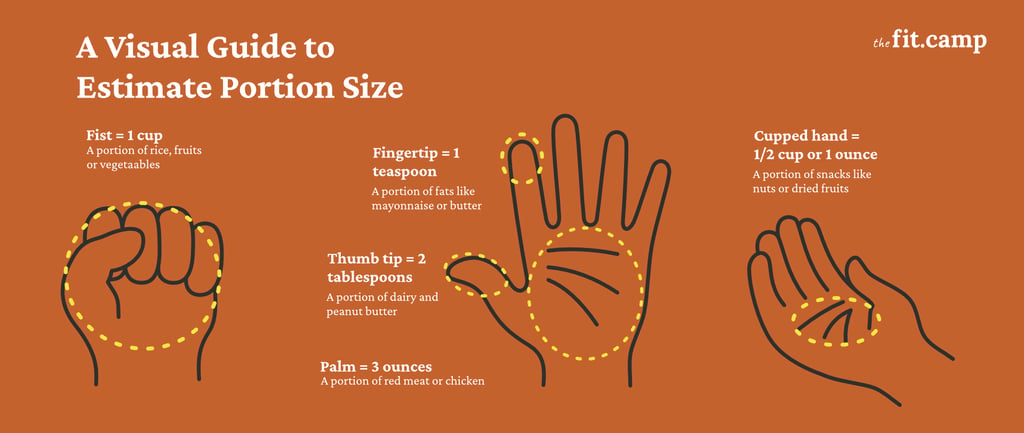
The limitation of this guideline is that it doesn't take your activity level into account. Someone with a physically demanding job or an intense training routine naturally needs more food than someone who spends most of the day sitting.
That's why I see it as a guideline rather than a strict rule.
If you notice you're eating larger portions than you need, don't reduce them dramatically overnight. Cut them down gradually and pay attention to the balance of nutrients on your plate. Make sure you're getting enough protein, vegetables, carbohydrates, healthy fats, and fluids to support your lifestyle.
The goal isn't to eliminate the foods you enjoy. It's to eat them in balance. For example, enjoy a small serving of dessert alongside a meal that's rich in vegetables and protein rather than making dessert the main event.
V. Making Changes Stick: Building Sustainable Habits
The key to successfully changing your eating habits is giving yourself enough time to adapt until those habits become second nature. When you make changes gradually instead of placing too many restrictions on yourself, your mind accepts them much more easily.
Be realistic with your goals. Just as I don't recommend making drastic changes overnight, I also don't expect you to follow your new habits perfectly all the time. Every now and then, you'll have a chocolate bar, a cookie, or a slice of cake. A night out with friends might include a couple of high-calorie drinks. That's perfectly fine, as long as it doesn't become an everyday habit.
Once a week is fine. Once a month is even better. But trying to say "never" usually makes things harder than they need to be.
The same goes for your expectations. If you've spent years gaining weight, don't expect to lose it all in a few weeks. The human body doesn't work that way. Building muscle is no different; it doesn't happen overnight. Both are gradual processes that require time, patience, and consistency.
So don't rush the process. Stay patient, keep making better choices, and remember that consistency is the real key to long-term success.
VI. Overcoming Common Challenges
Changing your eating habits isn't usually difficult when you're at home. The real challenge often comes when you're eating with family, friends, or colleagues.
If you're following a highly restrictive diet, social gatherings can become uncomfortable. You may find yourself sitting at the table while everyone else is enjoying the meal, unable to share the experience because of the foods you've forbidden yourself from eating. That takes away part of what makes those moments enjoyable.
Here's the approach that has worked well for me:
Eat everything, but in moderation.
Make vegetables, salads, and protein the largest part of your meal.
Enjoy carbohydrates in reasonable portions.
A small serving of dessert won't ruin your progress.
Stay hydrated before and after your meal.
Pay attention to your portion sizes.
The next time you eat with family or friends, don't avoid sharing the meal. Enjoy the occasion, make better food choices, and focus on balance rather than perfection. Healthy eating shouldn't prevent you from enjoying the people around you.
VII. Real-Life Examples & Success Stories
At the beginning of this article, I mentioned that I'd be sharing my own journey and the knowledge I've gained along the way.
This approach has worked not only for me but also for many of the busy professionals I've coached over the years. They came from different backgrounds, but they all had one thing in common: they wanted a healthier lifestyle that fit into their busy lives instead of taking over them.
One phrase that has always stayed with me came from one of those clients: "It's all about making better choices." I couldn't agree more. That's exactly what this entire approach is built on.
The focus isn't on following another strict diet. It's based on gradually changing the everyday choices you make until those healthier choices become your normal routine.
I'm not a licensed nutritionist, so I'm not providing individualized nutrition or medical advice. What I'm sharing is practical nutrition guidance based on my own experience and my work as a personal trainer. If you have a medical condition or need a diet tailored to your specific health needs, you should always consult a qualified nutrition professional.
Most people already know what healthy foods look like. The challenge is turning those healthy choices into lasting habits. That's the part I hope this article helps you with.
VIII. Conclusion & Encouragement
Crash diets may produce short-term results, but they rarely create long-term change. If your eating habits stay the same, there's a good chance the weight you lost will eventually come back once the diet ends.
Real change comes from changing your lifestyle, not from following temporary rules.
That might sound overwhelming at first, but it becomes much easier when you break it down into small, manageable steps. Every healthy choice you repeat brings you one step closer to building habits that will stay with you for years.
One day, you'll look back with pride at how far you've come. Those small improvements that once seemed insignificant will have become part of your everyday life.
I've said it before, and I'll say it again:
Consistency is the key.
Keep making better choices, be patient with yourself, and don't let the occasional setback discourage you. Long-term success isn't about being perfect; it's about making more good choices than bad ones over time.
If you'd like to explore these ideas in more detail, I share everything I've learned in my Fitness Roadmap course. I wish you the very best on your health and fitness journey, and if you have any questions, feel free to reach out.
the fit.camp
Join the fit camp where fitness is made simple for beginners and busy ones.
© 2026. All rights reserved.